Trade Insights
July 18, 2026
7 мин
What Actually Works in Supply Chain Optimization: Lessons from Norwegian Trade in 2026
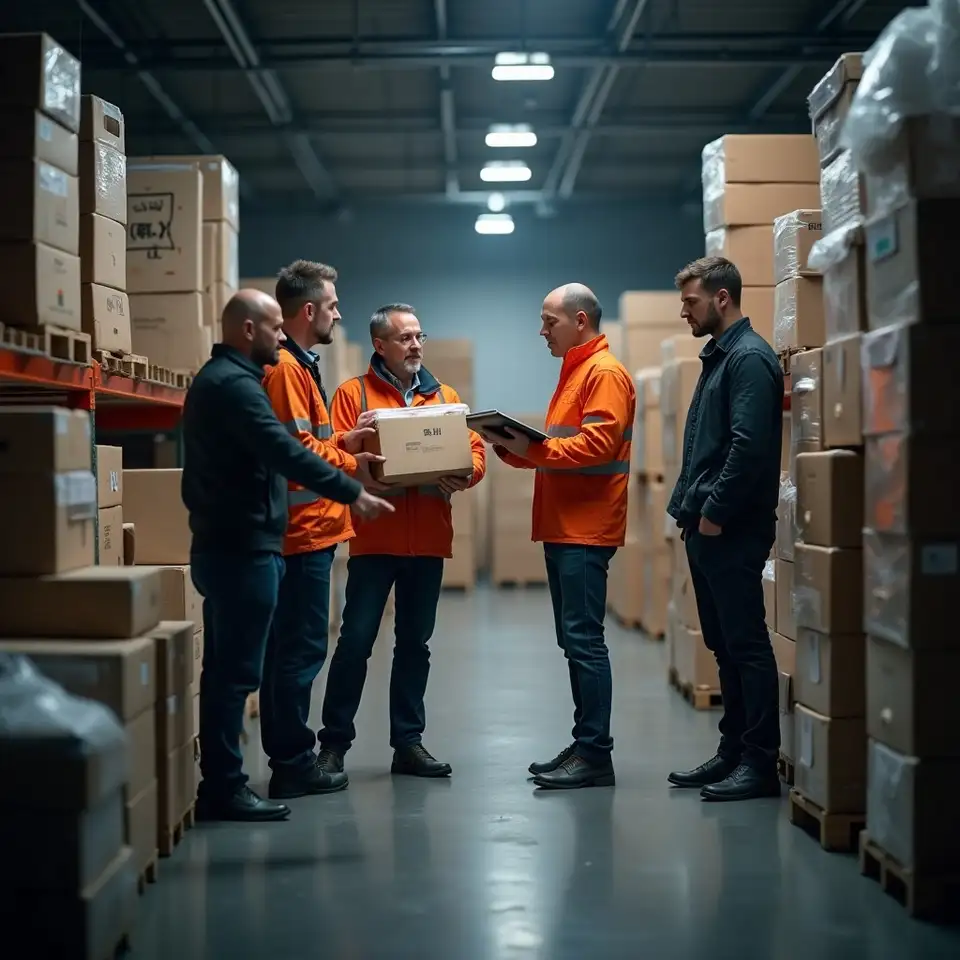
Many companies jump into supply chain optimization with a narrow focus: slash costs and move on. That approach usually leads to bottlenecks, missed opportunities, and a disconnect between suppliers and end users. Our team at Selunatrixo has spent years untangling exactly these knots for budget-minded businesses in Norway and beyond. In this piece, we break down what actually happens when corners get cut, then trace how a more holistic view can open up space for growth—even with tight margins. Think real stories, practical methods, and lessons learned the hard way, not just pretty diagrams and buzzwords.
The Pitfall of Chasing Only Price
Too often, businesses see supply chain management as just an expense to minimize. Picture a procurement manager switching to the lowest-bidder logistics partner—only to discover that shipments now arrive late or incomplete. The paperwork piles up, customs headaches multiply, and soon customer complaints roll in. This narrow cost-first view ends up increasing hidden costs: overtime to fix errors, rushed airfreight, or lost deals. A recent case involved a mid-size Oslo wholesaler who swapped providers to cut fees, but the switch led to weeks of documentation delays. The lesson? Focusing solely on numbers at the surface rarely leads to real savings.
Cutting visible costs can create hidden expenses elsewhere.
How Holistic Reviews Add Value
A more effective approach begins by mapping out the whole chain—from supplier negotiations to last-mile delivery. One Norwegian electronics distributor adopted our three-step review: process mapping, supplier audits, and document flow checks. They discovered customs slowdowns weren’t due to regulations, but to inconsistent labeling upstream. Adjusting supplier instructions cleared bottlenecks with minimal spend. Process transparency, regular check-ins, and aligning incentives with partners made the chain smoother. This method uncovered several simple fixes that paid off faster than expected—no drastic overhauls needed.
Understanding each step helps reveal where small changes can have big impact.
Local Realities, Real Solutions
Norway’s trading environment in 2026 brings its own mix of pressures: evolving customs protocols, digital invoicing standards, and expectations for sustainable sourcing. Our team worked with a Bergen-based food importer who needed to balance tight margins with strict compliance. Together, we developed a checklist for paperwork, vetted customs brokers, and shifted to a local warehousing partner. These choices cut processing time and improved traceability, letting the importer focus on building supplier relationships rather than chasing paperwork. Every tweak responded to a specific market reality, not just theory.
Tailoring strategies to Norway’s landscape keeps supply chains resilient and efficient.